Dolores Huerta: A Loss Like No Other
TRIBUTE — Some losses reach far beyond a family, a community, or even a generation. They leave a country asking who will carry forward the work—and whether we have learned enough from the person we have lost.
The death of Dolores Huerta is such a loss.
Huerta died October 28 at her home in Bakersfield, surrounded by family. She was 96. For generations of Americans, her name stood for the conviction that people with little money and little access to power could organize, demand dignity, and change their circumstances.
Her life asks something of us now: to look closely at the people whose labor makes our comfort possible.
Who picked the food on our tables? Under what conditions? Who listens when those workers are mistreated? Who stands beside them when speaking up could cost them their livelihood?
Dolores Huerta helped make those questions impossible to ignore.
As a young teacher, she saw children arrive at school hungry and poorly clothed. She recognized that their struggles followed them into the classroom from the economic hardships their families faced. Organizing their parents became a way to confront those conditions at their source.
That decision carried an enduring lesson: compassion becomes more powerful when it is joined to action.
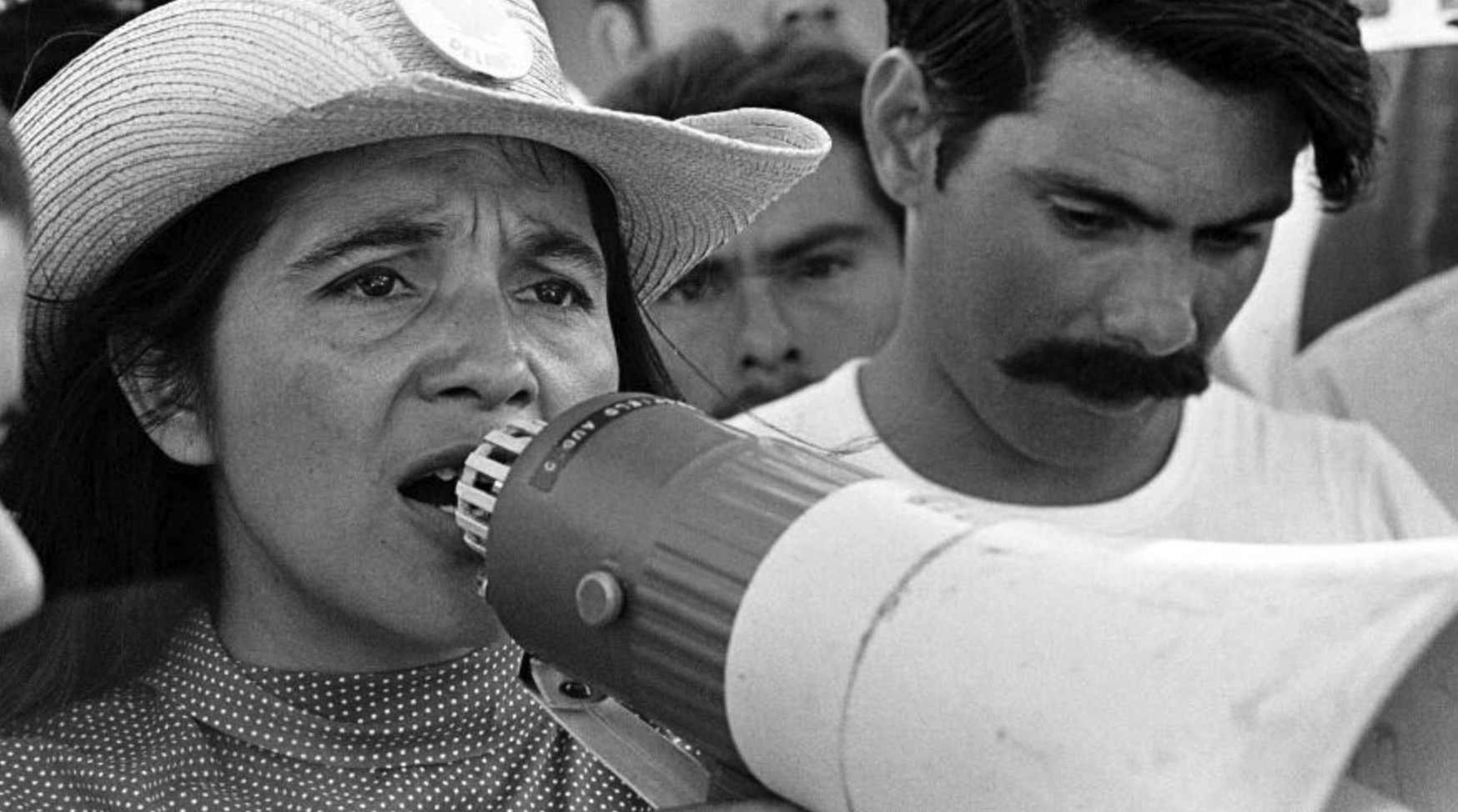
In 1962, Huerta and César Chávez established the National Farm Workers Association, a predecessor of the United Farm Workers. When Filipino farmworkers launched the Delano grape strike in 1965, their organization joined the struggle. Huerta helped build the boycotts, negotiate contracts, and press for the collective bargaining protections California enacted in 1975.
Behind those milestones lay the demanding, often unglamorous work of organizing: listening, persuading, returning after rejection, and keeping people together when progress seemed impossibly slow.
A signed contract could mean a family had more security. A workplace protection could mean someone returned home healthier. A worker’s voice at the bargaining table could begin to loosen a lifetime of fear.
That is where her legacy lives—in the daily circumstances of people who deserved better and gained the means to demand it.
For women, especially Latinas, Huerta also expanded the possibilities of leadership. She negotiated with powerful men and challenged political institutions during an era when women like her were routinely expected to remain outside the room.
Imagine what that example meant to a young woman watching: someone who looked like her could lead, argue, organize, and win.
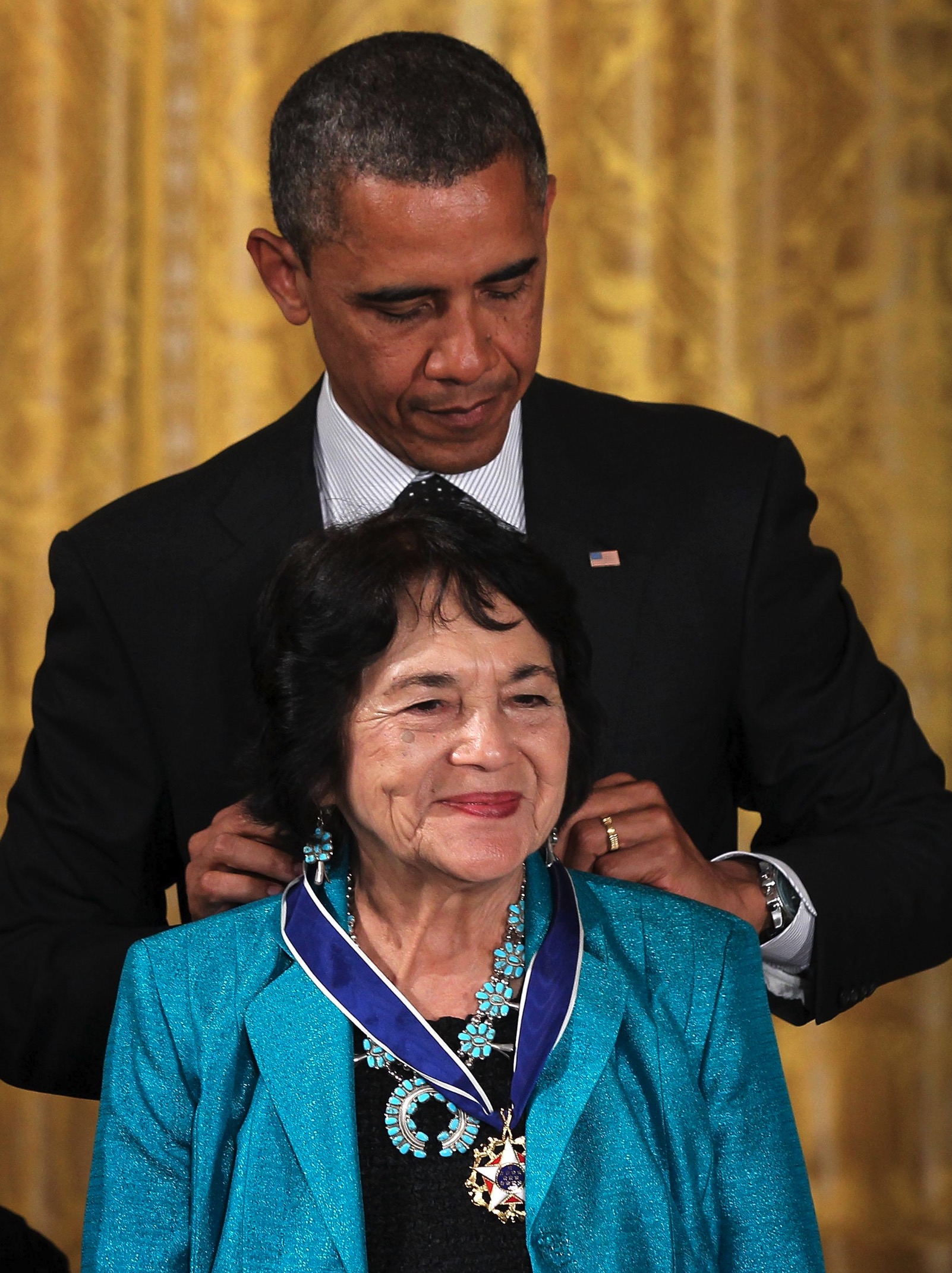
Her courage had a physical cost. In 1988, a police beating during a San Francisco protest left her with severe injuries. She recovered and continued her advocacy. Decades later, she was still participating in public life well into her 90s. President Barack Obama awarded her the Presidential Medal of Freedom in 2012.
The honors mattered. So did her refusal to treat an honored life as a completed assignment.
For Los Angeles and California, her passing should prompt more than ceremonial praise. We live amid extraordinary wealth and persistent hardship. We depend on workers whose names we seldom learn. We celebrate opportunity while too many families struggle to secure the basics.
Remembering Huerta means examining those conditions with the seriousness she brought to changing them.
It means showing up at the meeting. Listening to the worker. Helping a neighbor register to vote. Supporting the young woman who is finding her public voice. Staying involved after the march ends and the cameras leave.
“Sí, se puede”—the words she made famous—remains an invitation to participate, even when the odds appear overwhelming.
Dolores Huerta gave that invitation the authority of a lifetime.
Now we must answer it.
We mourn a woman whose courage helped others discover their own. We mourn the experience, persistence, and moral urgency she brought to the struggles of working people.
A loss like no other.
And a responsibility shared by all who remain.
(Jim Hampton is the Publisher and Editor of CityWatchLA.com. With over 40 years of experience in radio broadcasting, marketing, and content creation, Jim helped launch CityWatch online with founding editor Ken Draper more than two decades ago. He continues to guide the platform’s mission to provide independent news and opinion on Los Angeles government, policy, and civic life.)