
Comments
PLANNING WATCH - Like many other cities, in my Los Angeles neighborhood the streetlights have been out for months, and in a nearby neighborhood for an entire year.
These are the two main causes for these long-term outages:
Reason 1: Because of long-term economic decline in the Los Angeles area, many bad actors have stolen copper wire from the base of streetlight standards. Presumably the thieves then sell the copper wire to middlemen who get top dollar for it.
Reason 2: In L.A. the thieves put the Bureau of Street Lighting, a small city department, on the spot. Because of minimal staff and budget, they were not able to quickly replace the stolen copper wire and turn the streetlights back on. Instead, their solution is to change the lighting technology to solar, a change that eliminates the need for copper wire.
This is the explamation for most of LA’s dark streets, and the Bureau of Street Lighting’s solution, a voter-approved assessment of property owners based on the size of their parcels, has generated opposition. Those opposed to the ballot measure, recently mailed out by the City Clerk, argue that this solution rewards copper wire theft. They also argue that the City’s solution, increasing the property assessment, should have been implemented years ago.
As a supporter of the ballot measure, this opposition position strikes me as Monday-morning-quarterbacking. These critics argue that the Bureau of Street Lighting should have made these changes years ago. But the real question is why these critics were themselves silent? The obvious answer is that they did not call for the property assessment because there was no issue until the streetlights recently went dark.
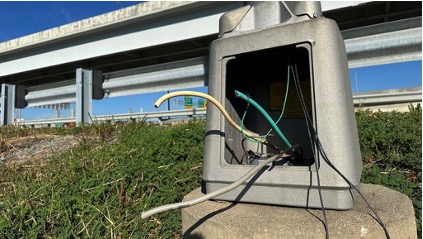
Example of copper wire theft turning off the streetlights in Los Angeles.
The City of Los Angeles responded to the copper wire thieves with a proposed $125,000,000 solar street lighting plan. If voters approve Street Lighting’s proposal to replace 200,000 copper-wired streetlights with solar-powered units, City Hall will have solved the problem of street light outages.
More than 550,000 property owners are now voting on a 120% fee increase, averaging $147 per year, annually adjusted to keep up with inflation. If approved, this fee will allow the replacement of existing streetlights with solar lights. This outcome is likely because under Proposition 218, unreturned ballots count as yes votes.
LA’s Mayor, who strongly supports the ballot measure, argues that modernizing street lighting will not only save money, but also improve neighborhood safety. Nevertheless, some property owners object to paying for this alternative streetlight technology, which expands a General Fund project of replacing 60,000 existing, copper wired streetlights with solar equipment.
The measure’s supporters argue it will eliminate copper wire theft. improve the reliability of street lightings, and reduce costs. This approach reflects a shift toward sustainable infrastructure consistent with the goals in the Mayor’s Climate Action Plan, which I wrote about several weeks ago.
Mixed response from property owners over fee hike: Over 550,000 property owners have received ballots under Proposition 218, to approve or reject a 120% streetlight fee increase, with costs varying by property size and type. A typical single-family homeowner would pay $147 in the first year, followed by annual inflation adjustments. While city officials cite decades of stagnant funding, the opponents argue they should not bear the cost of criminal damage and delays in increasing the property assessment.
Under Proposition 218, unreturned ballots count as yes votes, so non-voting supports the ballot measure. Nevertheless, if more than half of property owners submit no votes, the proposal will not pass. If approved, the funding will replace 200,000 streetlights beyond the 60,000 already budgeted through the General Fund.
Conclusion: If you have received a ballot from the City Clerk, I strongly recommend a yes vote. This not only solves the immediate problem of dark streets, but offers a permanent answer to copper wire thieves.
Dick Platkin (rhplatkin@gmail.com) is a retired LA city planner. He reports on local planning issues and is a board member of United Neighborhoods for Los Angeles. Previous columns are available at the CityWatchLA archives.