
Comments
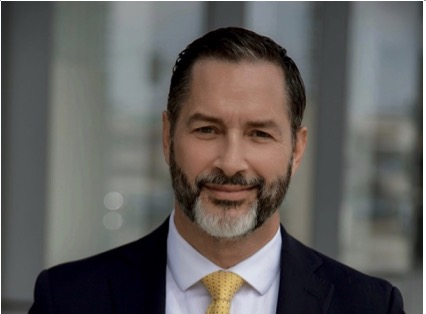
EXCLUSIVE - Zachary Smith is the fourth of ten brothers and sisters, ranging from 41 to 61, as this 53-year-old graduate of Guilford College & CUNY School of Law juggles a busy home life with his domestic partner Melissa and their two daughters age nine and two.
Smith's mom was a chemist and his late Dad, a nuclear physicist who graduated from MIT; education was a family priority.
But for Smith, becoming a judge has been a longstanding career goal.
"I always wanted to be a judge. I want to serve."
With 63 jury and 65 bench trials under his belt, the candidate believes he offers a "balanced approach" to the law.
Beyond his legal background, the San Pedro resident is proud of his growing children and when not working he enjoys biking as well as game of basketball and flag football.
Originally from the nation's capital, Smith spoke with LA City Watch about his approach to the law and the transition he hopes to make should he be successful in this contest for an open judicial seat.
Below is our conversation with the candidate:
Judicial philosophy:
“How would you describe your judicial philosophy, and how will you ensure fairness and impartiality for both defendants and victims in your courtroom?”
Judges should be comfortable enough with themselves and their knowledge, experience, and ability to remain calm, patient, ego-less, and open-minded in service as a neutral arbitrator to the people who come before them. Judges should be fair, respectful, efficient, and have integrity, with no agenda other than adherence and accountability to the law and the promotion of justice. When interpreting how a law applies to facts, integrity and experience, both lived and legal, are imperative to an honest interpretation of the facts and rulings which reflect the law’s intent, rather than a preferred outcome. I don’t believe judges should dictate how lawyers try their cases, other than to keep the process orderly, make sure rules are followed, and preclude unreliable or overly prejudicial evidence.
Judges must protect the rights of all parties to due process and fair hearings. My own dedication to the law and commitment to fairness is based on empathy and recognition of every person’s humanity. I have been in the shoes of victims and their families, as loved ones and I have also been victims of crime, including the violent murder of a close friend. I have also spent the last 25 years in practice hearing many clients’ tragic stories that led to crime or false accusations, recognizing how yesterday’s victim can be today’s offender. The kind of person I choose to be does not require me to limit my empathy to one side or base my treatment of people on whether they should be considered deserving of it. I treat everyone as I would want to be treated, including being accountable to the law.
Transition from Advocate to Judge:
“As a Deputy Public Defender, you’ve advocated for clients—how will you transition to serving as a neutral decision-maker?”
I have always seen my role as a Public Defender as protecting my clients’ rights to due process, fair trial, and thoughtful consideration if it comes to sentencing. Clients get due process when I identify issues adversely impacting their rights or legal cases, advise them carefully so they may make knowledgeable decisions, negotiate on their behalf, and zealously advocate their factual, legal, and mitigation positions. Sometimes my duty to my clients requires me to make good faith, reasonable arguments for positions I would decide against if I were I the neutral arbiter. A good lawyer must understand the concerns, positions, and arguments of the judge and counterparts to make strong arguments in response or negotiate on a client’s behalf.
Courtroom management:
“How would you handle a high-volume courtroom while ensuring each case gets the attention it deserves?”
The key to handling such a court is preparation. The best judges review the cases again before they are on calendar to make sure they are up to date and ready to make necessary decisions when the court day starts.
A second key is being able to identify the relevant issue which needs addressing when the case is on calendar and getting to the point quickly. It is also helpful in managing the order of cases to identify ahead of time which appearances will be quick and which will take longer. The judges I have seen handle busy courtrooms best are those that are personable, flexible, and work steadily.
Criminal Justice Perspective:
“What role should a judge play in addressing issues like bail, sentencing disparities, and rehabilitation?”
Judges should play the most important role in the courtroom on these issues. Being in jail is unquestionably coercive in nature in the kinds of cases where pleading guilty for probation would get a defendant out of jail faster than exercising their right to a trial. While many judges find it less risky to public safety to set bail in most cases, there is a much higher risk of injustice when people sit in jail for long periods before being exonerated or plea to something they didn’t do. This works unevenly against the indigent, who cannot bail out because they are poor while someone with money, charged with equal or worse conduct, can bail out. Therefore, judges must be give careful thought to determining the least restrictive way to ensure the defendant’s return to court and the safety of the community that isn’t determined by money. The more violent the charges and larger the potential sentence, the greater the risk to public safety or chance of flight.
Even if the parties come to a plea agreement, the judge does not have to agree to it. Rarely does that happen because the parties have the most information to evaluate the case. If I were assigned to a criminal court and making sentencing decisions, I would evaluate the legally allowed factors in the exercise of my discretion in each case individually. However, I would apply those factors consistently with no consideration of wealth or race. My objective would be restorative justice for victims and rehabilitation for defendants to curtail reoffending, which serves both society and offenders by solving underlying causes.
Ethics and Accountability:
“Can you describe a time you faced an ethical challenge in your legal career and how you handled it?”
I don’t feel I have had any significant ethical challenges in my 25-year career because my practice of referring to the law and ethical rules usually provides the answer to most any question.
The closest I came to a dilemma was when I represented someone in a misdemeanor case who I knew personally in my childhood. The practice is not advised because the personal relationship can interfere with the attorney’s judgement. I knew I could do my duty to zealously advocate for him. Despite our childhood families being friends, I was not worried about it affecting my judgement because we had not seen each other in years, nor were we close. However, when he had to decide whether to go to trial or accept a plea offer, I realized I was more hesitant in making a strong recommendation either way because I felt somewhat uncomfortable being responsible for the advice I would give in case it didn’t turn out as hoped. I simply laid out all of the pros and cons of the options and he decided how he felt comfortable.
Community Trust:
“Public trust in the courts can be uneven—what would you do as a judge to build confidence in the justice system?”
It’s important for the public to accept the laws we all live by and feel the courts are a place where justice is available and the rules are consistent. The most basic thing I can do is be an example of ethics in everything I do. Second, following the law consistently and without bias is foundational for trust. Appropriate temperament on the bench is also a necessity. If people see that you are calm, welcoming, and listen to them, they are more likely to feel more confident in the process and the decision.
It’s imperative that lay people have confidence that the court’s decision making is based on the law and not arbitrary or random based on the particular judge. To achieve that, I would explain the court process at the beginning. When deciding, I would explain the law that applies and the steps in my analysis so the parties understand the decision, even if they don’t agree. While the importance of explaining the law and process may be heightened for criminal defendants because their liberty is at stake, it is also vital when addressing civil litigants, jurors, and other non-party members of the public.
How much money will you raise/budget for the campaign and list any significant endorsements:
How much money I spend will depend on how much I am able to raise.
Other than money for professionals to manage proper accounting and technical assistance, all the money my campaign takes in goes to pay for voter outreach, so people see my name and what I stand for. I am funding some myself, but realistically covering costs requires outside donations.
Here are my significant endorsements to date:
The LA County Democratic Party, the Santa Monica Democratic Club, Ricardo Garcia, Public Defender for L.A. County, Judge Kelvin Filer (Compton Courthouse Presiding Judge) and Judge Patrick "Pat" Connolly, also of Compton.
(Nick Antonicello is a thirty-three-year resident of Venice who covers the various judicial contests on the June 2nd Primary ballot and is a regular contributor to CityWatchLA.com. Have a take or a tip? Contact him via e-mail at nantoni@mindspring.com)