
Comments
ANIMAL WATCH - The Tarzana Neighborhood Council (“TNC”) has taken a decisive stand for humane, fiscally responsible governance by passing a Community Impact Statement (CIS) calling for critical improvements to the 2026‑27 budget for the Los Angeles Animal Services Department (LAAS). The CIS, filed here in City Council File 26‑0600 (pages 3-5), urges the City Council to restore and increase funding in three essential areas: animal food, spay/neuter, and Dogs Playing for Life (DPFL).
The CIS states plainly that the proposed budget for Animal Services is insufficient to address the City’s ongoing animal shelter crisis, and that modest, targeted increases, amounting to roughly one‑twentieth of one percent of the City’s $13+ billion budget, would dramatically improve outcomes for animals, staff, volunteers, and the public.
Animal Food: Restore Funding to $600,000
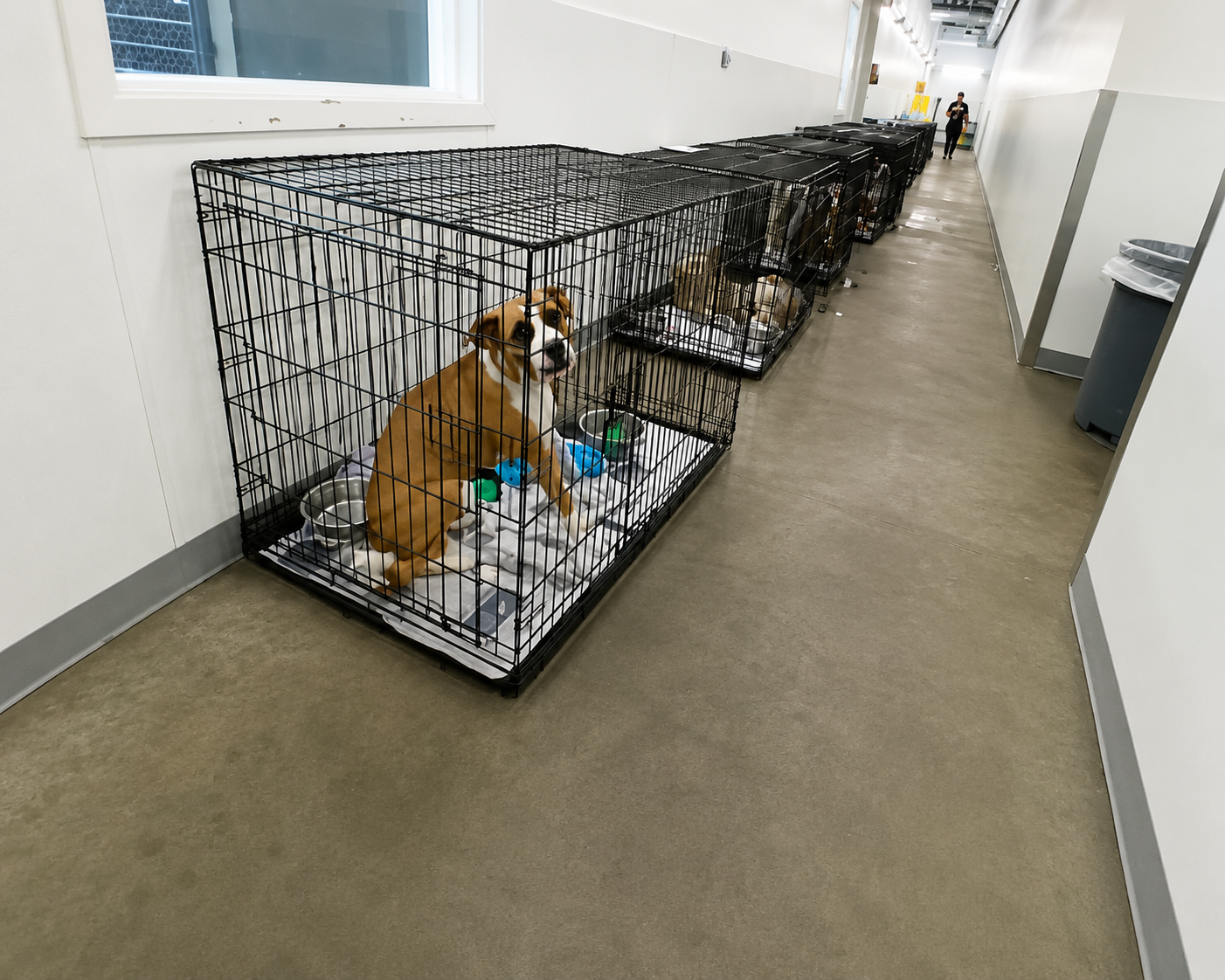
The CIS notes that the proposed budget contains effectively no General Fund allocation for animal food, forcing the Department to rely almost entirely on donations from the Animal Welfare Trust Fund. As the CIS explains, this has already led to the use of lower‑quality food that “the dogs do not like and which can contribute to diarrhea and other health issues,” increasing strain on medical staff and volunteers, and reducing adoptability. The City has a fundamental obligation to provide adequate food for animals housed in its shelters. It should not rely entirely on private donations to feed the animals.
The TNC calls for restoring food funding in the budget to no less than $600,000.
Spay/Neuter: Increase to at Least $12 Million
Calling spay/neuter a “critical priority,” the CIS urges the City to increase the Animal Sterilization Fund and Citywide Cat Program to a combined $12 million. As the CIS states, this investment represents less than one‑tenth of one percent of the City budget, yet it is the most effective, humane, evidence‑based way to reduce shelter intake, reduce euthanasia, and greatly reduce long-term operational costs.
The CIS cites the well‑known principle, first coined in CityWatchLA in 2019, that failure to adequately fund spay/neuter is “penny wise and ‘pound’ foolish,” noting that underfunding perpetuates overcrowding and leads to increased suffering and killing of healthy adoptable animals. See CityWatchLA: Failure To Provide Adequate Funding For Spay/Neuter Is “Penny Wise And ‘Pound’ Foolish.”
Dogs Playing for Life (DPFL): Fund at $1.6 Million
The CIS calls for $1.6 million in dedicated funding for DPFL, the program that provides structured enrichment, socialization, and behavioral assessment for shelter dogs. Before DPFL’s involvement, many dogs went weeks or months without leaving their kennels. See: L.A. Times, ‘It’s Inhumane’: Dogs At L.A. Animal Shelters Go Weeks Or Months Without Being Walked. The CIS emphasizes that DPFL:
- Improves adoptability, decreasing killing of dogs for lack of space
- Reduces kennel stress and deterioration
- Provides essential behavioral information to potential adopters and rescues
- Supports staff and volunteers
- Enhances public safety.
Without stable funding for DPFL, the CIS warns, the City risks returning to the inhumane conditions documented in the Los Angeles Times, where dogs were confined for prolonged periods with little or no enrichment.
A Humane, Responsible, and Affordable Path Forward
The CIS concludes that the proposed LAAS budget “is insufficient to address the City’s ongoing animal shelter crisis,” and that the modest increases recommended by the Tarzana Neighborhood Council, amounting to approximately one twentieth of one percent of the City budget, would:
- Improve animal welfare
- Reduce euthanasia
- Greatly lower long‑term costs.
The CIS also references the Neighborhood Council Budget Advocates White Paper, which similarly calls for increased investment in spay/neuter, animal food, and enrichment programs.
https://cityclerk.lacity.org/onlinedocs/2026/26-0600_PC_PM_03-31-2026.pdf pages 16-23.
https://www.tarzananc.org/assets/documents/1/committee695ad62838751.pdf, Appendix p. 10.
Neighborhood Councils, part of the City government elected by the stakeholders of each L.A. neighborhood, exist to give communities a voice in City Hall. By passing this CIS, the Tarzana Neighborhood Council has done exactly that, providing a clear, data‑driven, humane roadmap to start improving LA’s struggling animal shelter system. As the City Council continues its budget deliberations, Tarzana’s message is unmistakable: Los Angeles can and must do better for the animals in its care.
(Jeffrey Mausner (www.mausnerlaw.com/) is on the Executive Committee of the Valley Alliance of Neighborhood Councils (VANC) where he serves as the Liaison to the Los Angeles Animal Services Department; he is 2nd Vice President of the Tarzana Neighborhood Council and Chair of its Animal Welfare Committee. He also volunteers at the West Valley Animal Shelter. A retired attorney, law professor, and former U.S. Justice Department Federal Prosecutor, Jeff has received numerous awards, including the 2023 Guardian of the Animals Award and a 2024 Special Commendation from the California Legislature. He co-founded the Global Anti-Dog Meat Coalition. This article is written in his private individual capacity, not on behalf of the Animal Services Department.)