Comments
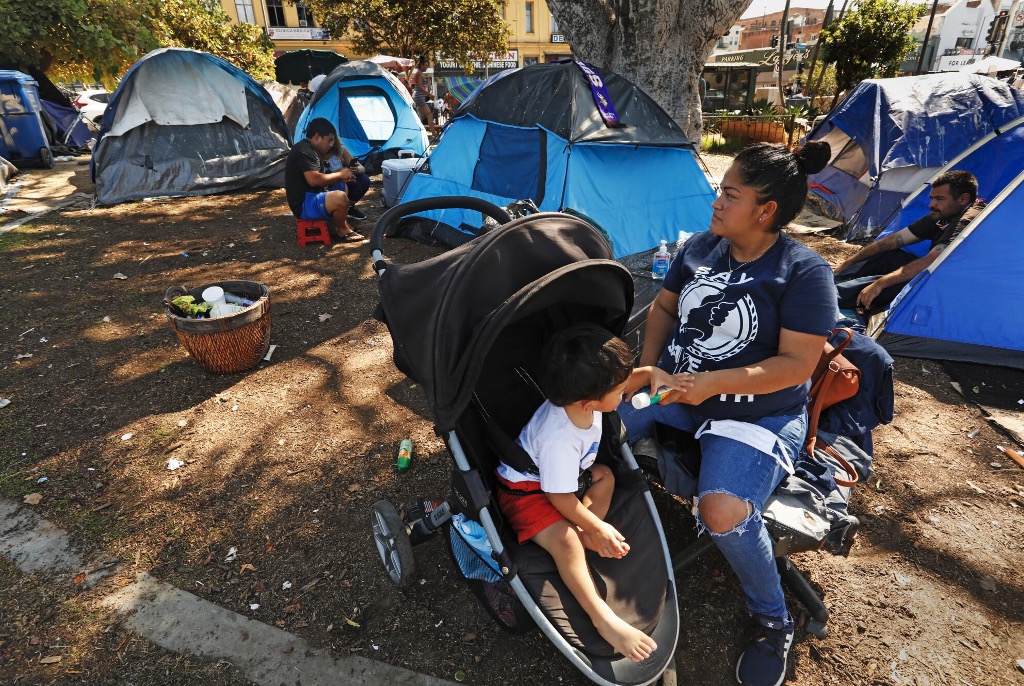
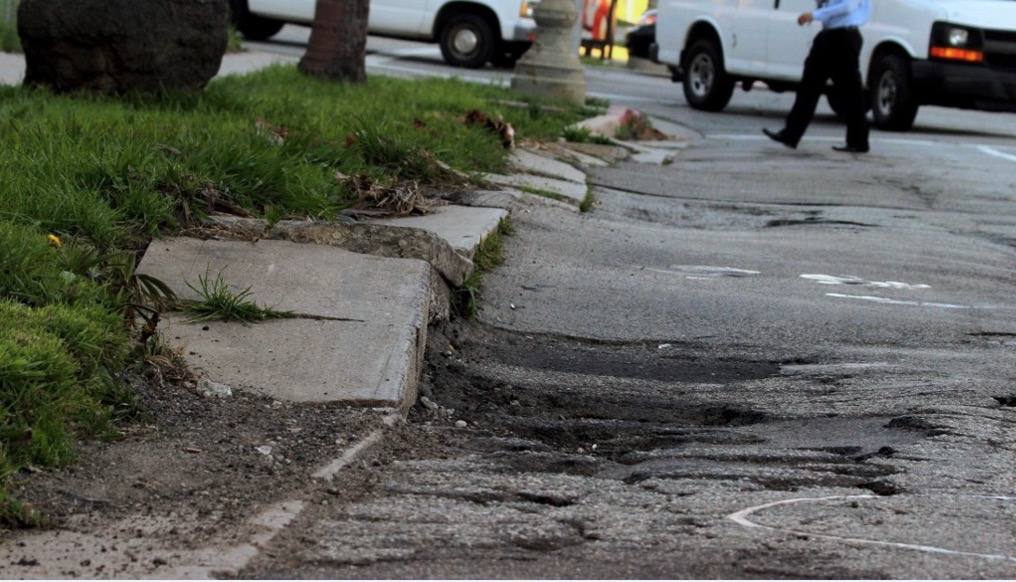
iAUDIT! - In March, I wrote a column calling Los Angeles “The City that Can’t”. I gave examples of how the city has failed to provide residents with basic services like street lighting and clearing RV encampments. On the rare occasions the city does take action, it is usually lethargic and ineffective. Encampments are cleared only to have occupants move back, often on the same day. Towards the end of the column, I changed the tone and said LA should really be called “The City that Won’t”. Its not that the city lacks the resources, ability, or expertise to address most of its most pressing problems; it lacks effective leadership and coherent planning. Time and again, the City Council takes no action other than issuing earnest press releases and authorizing another study.
If you’re looking for proof, you need go no further than a July 13 article from LAist on the Council’s decision to not make a decision. Despite fiery words about reform from Councilmembers like Nithya Raman, the City Council delayed a decision on defunding LAHSA till December 2027-- a year and a half from now. And that deadline isn’t to make a decision--its merely to receive a study on defunding’s impacts. This non-decision is all the more flabbergasting because the City has been dithering about creating its own homelessness department for more than a year. The department exists on paper but has no staff or funding. Instead of taking substantive action, Mayor Bass has consistently opposed any move away from LAHSA. (Remember, she was the chief proponent of appointing the now-disgraced Dr. Va Lecia Adams Kellum as LAHSA’s CEO in 2023). The City and LAHSA seem to be locked in a marriage of convenience, where they point fingers at one another while taking no responsibility for the lack of their programs’ results. If the City separated from LAHSA, then it would be solely accountable for its expenditures and its outcomes. If LAHSA broke with the City, it couldn’t blame LA for fiascos like Urban Alchemy charging the City and LAHSA for 88 safe camping spaces while providing only 44.
Inaction seems to be local government’s default mode when it comes to homelessness. In June 2024, Councilmember Yaroslavsky introduced a motion to require homelessness programs to create unique identifiers for each person enrolled in their homelessness programs. A unique identifier also known as a “by name” system, tracks clients in real time as they move through the service system. Using a by name framework makes it easier to avoid counting the same person two or more times as they move in and out of various facilities and programs. The by name system is one component of the South Bay Council of Governments’ successful homelessness program, which reached functionally zero homelessness in 2024. The LA City Council motion received widespread support from Neighborhood Councils and the public, but on July 16, 2026, it died from inaction; the Council took no action for two years and let the motion expire.
Most providers and LAHSA don’t like unique identifier systems because they must be kept up to date and are an excellent defense against double or triple counting clients. A unique identifier system would also require updating service contracts. Most contracts pay for processes rather than outcomes; a shelter operator is paid for the number of beds, not the number of clients served. Outreach providers are paid per “encounter” instead of clients successfully sheltered or housed. The unique identifier/by name system would track each client as he or she moves through the system, making it easier to track outcomes, something that terrifies many providers. Under HUD funding rules, providers must use the Homeless Management Information System (HMIS), but a June 2023 study from RAND for the United Way showed only about 48 percent of service providers use the system; it was criticized for being difficult to use and clunky, so far more (64 percent) use simple Excel spreadsheets (with or without HMIS) to report their activities. Therefore, agencies like the City and LAHSA really don’t know what they’re paying for or who is receiving services, as I’ve mentioned in reviews of audits from LA County and the audit firm Alvarez & Marsal.
Of course, the inability to change is not restricted to the City of LA. Last month, in response to the stinging audits and negative findings in its annual independent audit , LAHSA issued a Request for Qualifications (RFQ) for Independent Fiscal Management, Embedded Accounting Operations, Financial Systems Implementation, and Operational Stabilization Services. The RFQ was created to address problems like LAHSA being chronically late paying its providers, and a host of other issues detailed in previous audits and reviews. Among other things, LAHSA is seeking, “a firm capable of providing executive-level financial leadership, operational stabilization, embedded accounting operations support, and enterprise-wide fiscal remediation services”. So, despite having a CFO who made almost $300,000 in 2024, the Authority needs to bring in outside experts to provide executive-level leadership. All of the RFQ’s objectives (listed on page 2) are common operational duties of a functional municipal finance department; there should be no need for outside expertise.
LAHSA has had financial management problems for several years, and past audits have often called for reforms. Executives have promised improvements, but nothing substantial was done until the County pulled its funding and HUD announced its own funding suspension on June 11. Suddenly, financial accountability became a top priority; the RFQ was issued 11 days after HUD’s announcement. Interestingly, the RFQ mentions a Spring 2026 report from accounting and audit firm KPMG four times, but as LAHSA Commissioner Justin Szlasa noted in a LinkedIn post, LAHSA hasn’t made the report public, so exactly how RFQ respondents are supposed to address the issues raised in a report they can’t read remains unclear. The RFQ is indicative of how LAHSA does business; deny there’s a problem, resist reform, and only embrace change when it forced upon it.
What is most frustrating about local government’s inability to change is that is not particularly difficult with the proper leadership and political will. As writer and recovering addict Tom Wolf recently wrote in the City Journal, the cities of San Francisco and San Jose have seen substrative decreases in homelessness, driven primarily by their moderate Democratic mayors, who have pushed for accountability among providers, performance-based compensation, and a move towards recovery-oriented programs, a sharp break from No Barrier Housing First policies practiced in Los Angeles.
It remains to be seen if the two cities’ programs are effective in the long-term, but at least leaders have shown a willingness to try something other than business as usual. In Los Angeles, the status quo is sacrosanct and cannot be questioned. Part of the resistance to change is the ideological devotion to No Barrier Housing First policies. But another, grubbier reason is that there is money--relatively easy money--to be made under the current system. That system is entirely process-based, where providers and local agencies need only complete a set series of tasks to be compensated. But if San Francisco and San Jose can move towards outcome-based programs, so can Los Angeles. As always, it comes down to the willingness of leaders to recognize the need for change.
(Tim Campbell is a longtime Westchester resident and veteran public servant who spent his career managing a municipal performance audit program. Drawing on decades of experience in government accountability, he brings a results-driven approach to civic oversight. In his iAUDIT! column for CityWatchLA, Campbell emphasizes outcomes over bureaucratic process, offering readers clear-eyed analyses of how local programs perform—and where they fall short. His work advocates for greater transparency, efficiency, and effectiveness in Los Angeles government.)