
Comments
AI DATA -An automated society as warned about in the science fiction of the 50’s and 60’s is finally beginning to arrive, largely unnoticed.
Artificial intelligence (AI) is beginning its path towards eventual elimination of millions of jobs, often entry level jobs that recent college graduates, or even high school grads would obtain. Jobs in entertainment, in legal research, jobs in medicine like advice nurses, and on and on. This is advantageous to a modest number of billionaires and corporate giants but will likely be catastrophic to the rest of us. Not surprisingly, a top priority of the Trump Administration is making the US the “AI Capital of the World.” Increasing the use of coal, petroleum and gas to power data centers fits in with Trump’s agenda of using up our resources while generating as much greenhouse gases as possible.
Safety net gig jobs are disappearing through automation as well, as rideshare drivers are being replaced by self-driving cars, and delivery drivers replaced by robot delivery carts. Warehouse workers, fast-food workers, autoworkers, port workers, actors, writers and others are losing jobs to automation and AI.
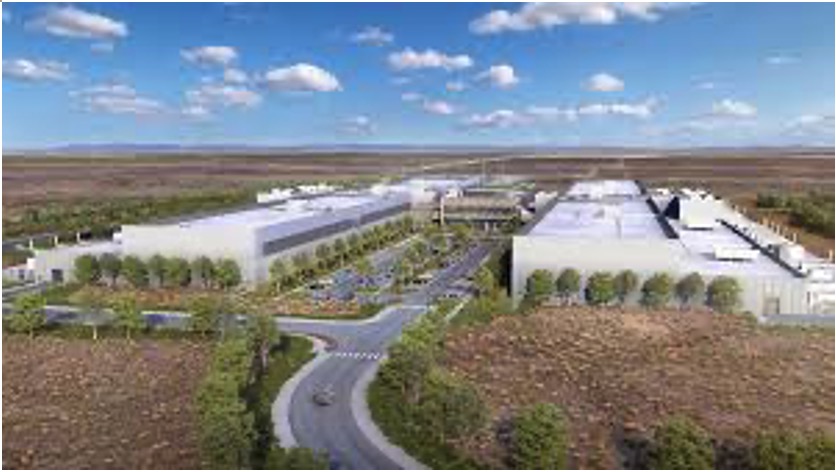
The main advantage of all of data centers falls to giant corporations and billionaires, who are replacing labor costs with automation. When we someday have a society with mass unemployment, will we wonder how this suddenly happened to us?
AI also contributes to the continual dumbing down of our younger generation. Students are getting better and better at “cheating” and having AI do their work for them, resulting in considerably less learning. The less they have to read while AI does their work, the less they refine their thinking and reading abilities. Paying money to an educational institution usually yields more knowledge and better jobs. So not only are students who use AI learning less, they are educating and training AI systems that will eventually replace them in the workforce.
AI is also commonly used as a screening tool for job applications, making the job market yet another steeper hurdle for recent graduates. AI has become increasingly uniform in its language and has been shown to have self-preference for AI-written applications rather than human-written ones. This means that applicants cannot write their application in their own words, they must use AI on their end to make sure their application includes AI-friendly language and prose, so they are not screened out from an interview.
As AI becomes smarter and smarter, many are becoming concerned that AI may one day become so autonomous that it could take over and make decisions and take actions detrimental to the human beings that were once in charge of them.
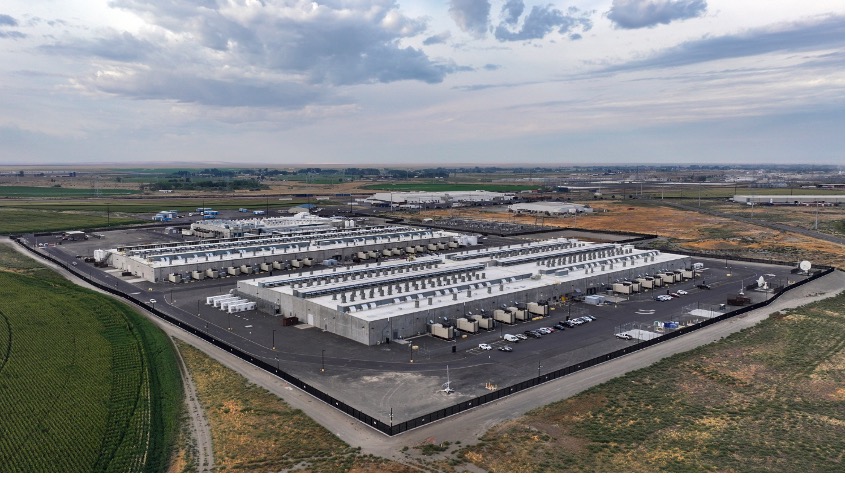
Those aren’t the only downsides of AI. The most frightening are the negative impacts of AI data centers, hundreds of which are being proposed and built across the country. AI data centers are specialized facilities containing the physical super-computing systems necessary to train, process, and run large AI models.
Data centers require huge amounts of power. Larger ones require almost enough power to furnish electricity to a mid-sized California city like Santa Monica. Our State is already struggling to keep up with electric demand while working to reduce the amount of climate damaging pollution. Lots of data centers will make this so much worse.
Large data centers can use millions of gallons of water daily for necessary cooling, especially concerning in drought-prone areas like Southern California. In areas like the San Gabriel Valley, it can also deplete groundwater supplies that are difficult to replenish.
The increase in demand for water and power results in higher electricity and water bills for residents and businesses in the surrounding area.
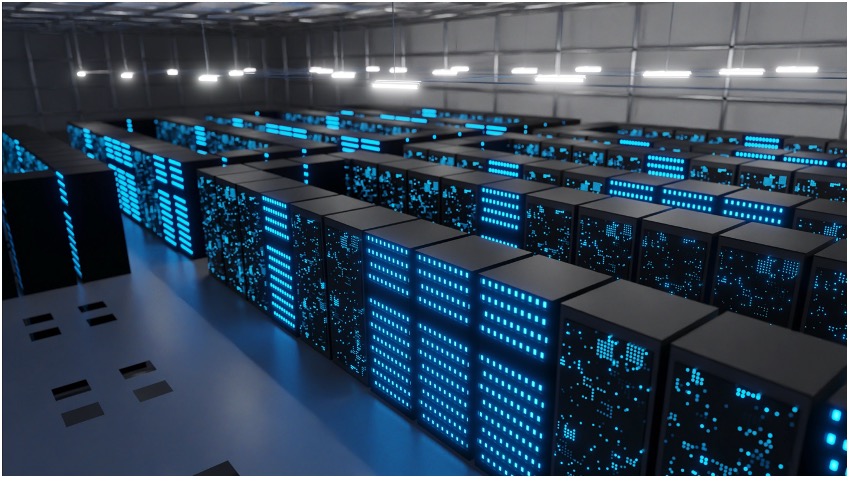
Data Centers owned by tech giants are often gifted huge tax incentives despite the minimal value to local areas, taking funding away that could be better spent on community enhancements. 35 states (not California) have offered such incentives.
Data centers often rely on diesel backup generators, and fossil-fuel powered power plants, increasing local air pollution. This is obviously connected to increasing rates of cancer, asthma, worsening cognitive health and other ailments and diseases. With the Trump Administration pushing for the worst climate-wrecking fossil fuels, they are extending the lives of otherwise obsolete and harmful coal plants. Trump being in partnership with Big Oil and Big Tech will cost many of us our health and quality of life. Big Tech is also pushing to revive use of risky nuclear energy to power the data centers.
The constant low-decibel hum from cooling systems and generators can disrupt the sleep and general quality of life for area residents. Such noise pollution can be serious enough that it has caused some residents to experience mental distress and even move away to avoid it.
Data centers provide low employment value—construction of data centers provides temporary construction jobs, but very few permanent staff positions compared to their footprint even for the largest such centers. They do replace large numbers of jobs. For just one example, Amazon eliminated 14,000 jobs at the end of 2025 to invest more in AI.
These gigantic windowless eyesores are often hundreds of acres in size. They can eliminate large amount of agricultural or rural land, or properties available for urban infill which are often in short supply, especially for affordable and market rate housing.
Inadequate process is a frequently expressed concern. Without transparency, data center backroom deals are often arranged with minimal public input. Meanwhile, legislators in Sacramento are actively and aggressively gutting the California Environmental Quality Act (CEQA), our flagship environmental protection law, in order to pave the way for a glut of data centers and for all the technologies that enable them.
Data centers are creating large amount of toxic e-waste, less than 25% of which gets recycled. Countries and communities that receive this e-waste for disposal are routinely exposed to heavy metals like mercury, lead and cadmium which are linked to various kinds of health detriments, including cancer.
They also harm biodiversity, as habitat is destroyed to make way for these centers, and endangered and threatened species are made more vulnerable. This impacts land availability, ecosystems and long-term development flexibility. The many cuts to CEQA will also enable the destruction of California’s incredible and unique natural resources.
Data centers also create a heat island effect. Their cooling systems often use air- and water-cooled HVAC systems that send hot air exhaust into the atmosphere. This kind of “data heat island” already effects an estimated 340 million people globally, creating microclimate zones with an average increase of 2oC. The heat plume can impact land as much as 10 kilometers away.
With 4,000+ data centers across the country, and hundreds more being proposed, there are few developments that threaten our communities and our planet more severely. But locally, and across the country, we are beginning to see greater pushback against these potential disasters.
Over 200 environmental groups have joined the battle against data centers, including the Sierra Club, Food & Water Watch, Greenpeace, Communities for a Better Environment and Coalition for Clean Air. Local community groups also play a huge role in successful opposition.
Monterey Park recently passed a moratorium on data centers and placed a ban on such centers on the June 2, 2026 ballot.
Data center opponents cited concerns including higher energy and water consumption, heat island dangers, noise pollution and quality of life, and called the these centers a “public nuisance.” This was in response to a proposed 250,000 square foot center. The proposal has been since withdrawn, with the property owners looking for a different use of the space.
Montebello and El Monte are also leading the charge to regulate or ban data centers. Several other cities are looking more closely at proposed data centers and the potential downsides.
The LA County Board of Supervisors passed a motion by Supervisor Hilda Solis to evaluate the potential risks posed by data centers and the best practices for regulating these facilities. The motion looks at impacts on electrical and water resources and possible health effects. It directs staff to look at how other jurisdictions regulate and the best practices in doing so. While Supervisor Solis did not have support for a full moratorium without this study, it is a significant step towards reining in previously unfettered development of these centers.
In the California legislature, well-funded special interests continue to hold great sway despite a significant Democratic majority. That was one of the unpleasant surprises I found when I served in the State Assembly from 2000 to 2006. My observation is that situation continues unabated. This year, several pieces of legislation to create a special electricity rate for data centers, enforce sustainability standards and force transparency were met by aggressive opposition from Big Tech, leading to their getting watered down and turned into study bills.
Last year, Gavin Newsom vetoed AB 93, a modest measure which would have required data centers to disclose the amount of water they use. This is rather unfortunate, as many areas are reaching what is considered “water bankruptcy,” constantly using more water than they are getting. The United Nations has reported in January 2026 that the world has entered an era of “global water bankruptcy.” The Colorado River is considered a water bankruptcy hotspot, as it seems permanently depleted beyond sustainable limits. A number of states including California are dependent upon the river for a significant supply of their water.
However, other states are looking at stronger action. Just a few days ago, the Maine legislature was the first to pass a ban on large scale data centers, although it still needs the Governor’s signature, which is uncertain. 13 other states have introduced legislation to ban or limit the construction of data centers.
There are some mitigation measures which could at least reduce the negative impacts of data centers significantly. A large load tariff could be imposed for energy use. Data centers could be required to supply their own new, clean electricity to the grid, including clean backup power. Centers should be required to adopt all best technologies and practices like advanced cooling (without large-scale water use) and energy storage. Impacts on neighboring communities must be mitigated.
The negative potential of unabated data center construction and operation is dramatic. The unaware public needs to be educated, environmental and community groups need to continue to fight hard, and our elected and appointed officials need to have the guts to take on Big Tech and other special interests. The consequences will be horrific if this does not happen.
(Paul Koretz is a veteran public servant with decades of experience in Los Angeles area government. He served three terms on the Los Angeles City Council, represented the 42nd District in the California State Assembly, and was both Mayor and a longtime City Councilmember in West Hollywood. Known for his work on environmental policy, animal welfare, and fiscal responsibility, Koretz continues to be an influential voice on regional and statewide issues.)