Comments
A STUDENT'S VIEW - Something is shifting in Los Angeles politics and it’s not subtle.
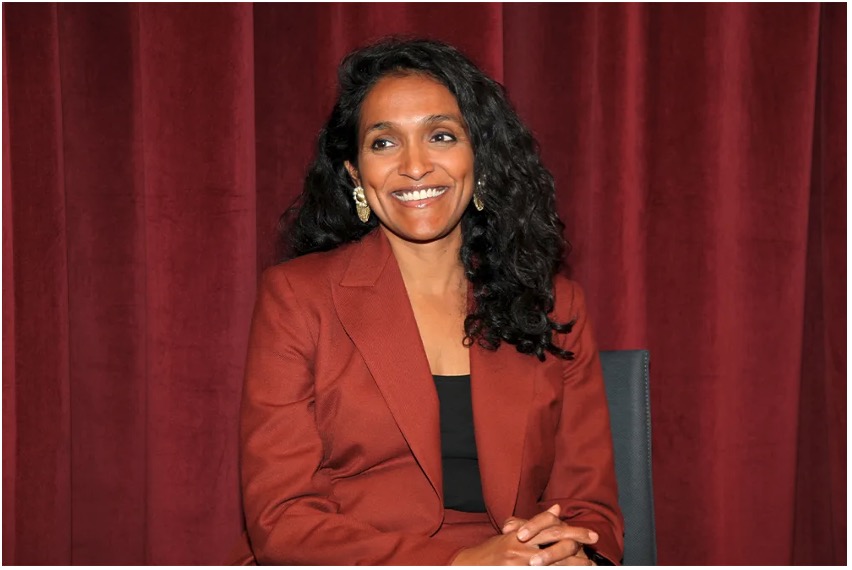
A growing number of young Jewish voters are backing Nithya Raman; a progressive figure whose policies and political style represent a sharp break from traditional coalition politics. This is not a fluke. It is not a trend line buried in polling data. It is a visible, generational realignment and it carries consequences.
At its core, this shift is being driven by economic pressure. For many young voters, the defining issue is not ideology it’s survival. Rent is crushing. Homeownership is out of reach. The promise of Los Angeles as a city of opportunity is fading in real time. Raman has built her brand around that reality: housing affordability, tenant protections, and a systemic approach to homelessness. For a generation that feels locked out, that message resonates.
But economics alone doesn’t explain it.
There is a deeper ideological alignment taking shape. Younger voters including many Jewish students are increasingly drawn to progressive frameworks that emphasize equity, climate action, and structural reform. Raman doesn’t just speak that language she operates within it. Her approach is not about managing the system. It’s about changing it.
That is precisely the appeal and the problem.
Because within the broader Jewish community, this support is anything but unified. For many, Raman’s positions on public safety, policing, and issues tied to Israel and antisemitism raise serious concerns. These are not abstract debates. They are rooted in lived experience, historical memory, and a heightened sense of vulnerability in a time of rising tensions.
This is where the divide becomes impossible to ignore.
What we are witnessing is not a simple political disagreement. It is a collision between two fundamentally different priorities. On one side: a younger generation driven by economic urgency and systemic reform. On the other: a community segment focused on security, stability, and identity. Both are valid. Both are real. But they are increasingly at odds.
And that tension is not being resolved it is being papered over.
Young voters supporting Raman are making a calculation. They are prioritizing affordability and reform over concerns about public safety and broader geopolitical sensitivities. Others in the same community see that trade-off as dangerous, short-sighted, or even dismissive of real threats.
That gap matters.
Because political coalitions are not built on agreement alone, they are sustained by trust. And trust begins to erode when one side feels its core concerns are minimized or ignored.
Los Angeles cannot afford that erosion.
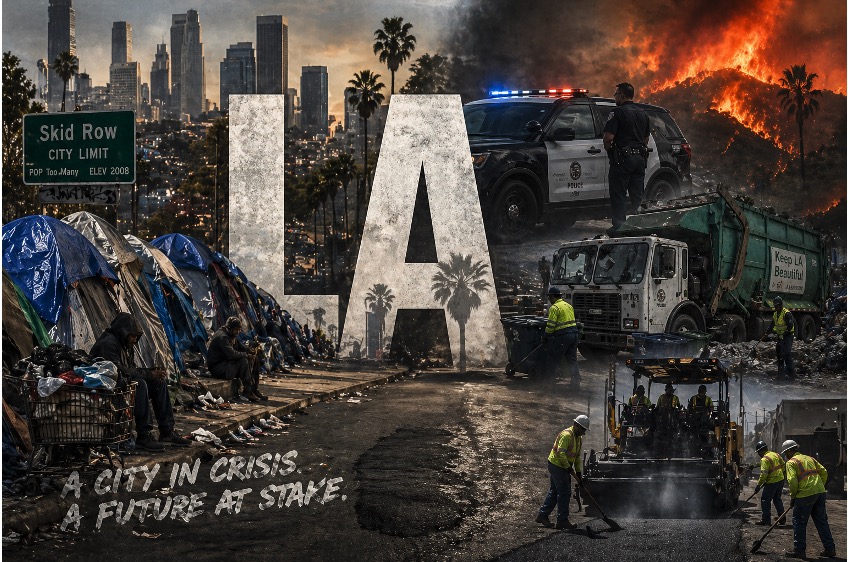
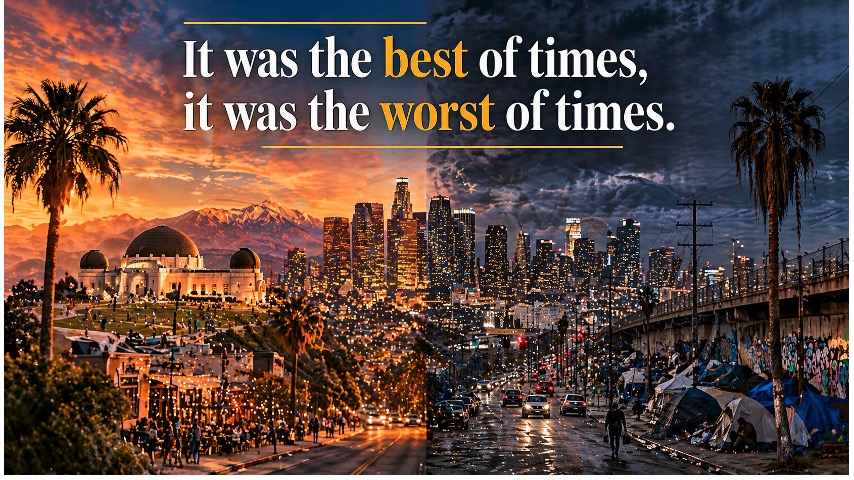
This city is already under strain economically, socially, and institutionally. Add a fractured coalition to that mix, and the consequences won’t stay confined to campaign cycles. They will show up in governance, in public safety outcomes, and in the city’s ability to make hard, unified decisions.
This is not about one candidate. It is about what her support represents.
A generational shift is underway. It is redefining alliances, reshaping priorities, and exposing fault lines that have long been simmering beneath the surface. Ignoring those fault lines will not make them disappear. It will deepen them.
And here is the bottom line:
When a generation votes out of economic desperation while another votes out of concern for security and identity, the coalition doesn’t evolve it fractures. And once that fracture sets in, it doesn’t just change elections.
It changes the city.
(Shoshannah Kalaydjian is a young Jewish student who writes about education, identity, and the challenges facing the next generation. Growing up in today’s climate, she has witnessed firsthand how rising antisemitism affects young people in classrooms and on college campuses. She is committed to sharing the perspectives of Jewish youth, amplifying student voices, and encouraging leaders to create safer, more inclusive environments for all students.)