
Comments
LEGAL - One of the most common mistakes people make after an arrest isn’t saying the wrong thing. It’s doing nothing at all. The reaction is understandable. Someone gets arrested, receives a call from law enforcement, or learns they may be under investigation. Their first instinct is usually to wait and see what happens next. Maybe the situation isn’t as serious as it seems. Maybe charges won’t be filed. Maybe things will work themselves out. Unfortunately, criminal cases don’t sit still while a person decides what to do.
In San Jose, people facing criminal allegations are sometimes surprised by how much can happen in a short period of time. Evidence is collected, witnesses are contacted, reports are written, and prosecutors begin reviewing information long before a defendant feels ready to deal with the situation. Speaking with a San Jose criminal defense attorney early can help a person understand what is happening behind the scenes and avoid decisions that may create problems later.
Waiting Rarely Works in Your Favor
Many defendants assume that if they stay quiet and keep their heads down, nothing significant will happen until a court date arrives. The reality is usually very different.
While a defendant is deciding what to do, investigators may still be gathering information. Witnesses may be interviewed. Surveillance footage may be reviewed. Documents and records may be collected.
The important thing to understand is that time continues to move the case forward whether the defendant participates or not.
That does not mean someone should panic and start making rushed decisions. It means they should understand that waiting is a decision in itself, and it can have consequences.
Some Opportunities Don’t Last Long
People are often surprised to learn how quickly useful evidence can disappear.
A business security camera may overwrite footage after a few days. A witness who clearly remembers an event this week may struggle to recall details a month later. Even something as simple as preserving text messages, photographs, or location information becomes more difficult as time passes.
This is one reason defense attorneys like to become involved as early as possible. The goal is not just to react to the prosecution’s evidence. It’s also to identify and preserve information that may help the defense before it disappears.
Once evidence is gone, there is usually no way to recreate it.
Early Decisions Can Affect the Entire Case
Many criminal cases are influenced by choices made long before a trial is ever discussed.
A person may agree to speak with investigators without fully understanding the risks. They may overlook a potential witness who later becomes impossible to locate. They may wait until court deadlines are approaching before seeking legal advice.
None of these decisions seems dramatic in the moment. In fact, they may feel completely harmless. Yet criminal defense attorneys regularly see cases where small decisions made early create larger problems months later.
The reverse is also true. Taking action early can create opportunities that may not exist later in the process.
The Legal Process Moves Faster Than Most People Expect
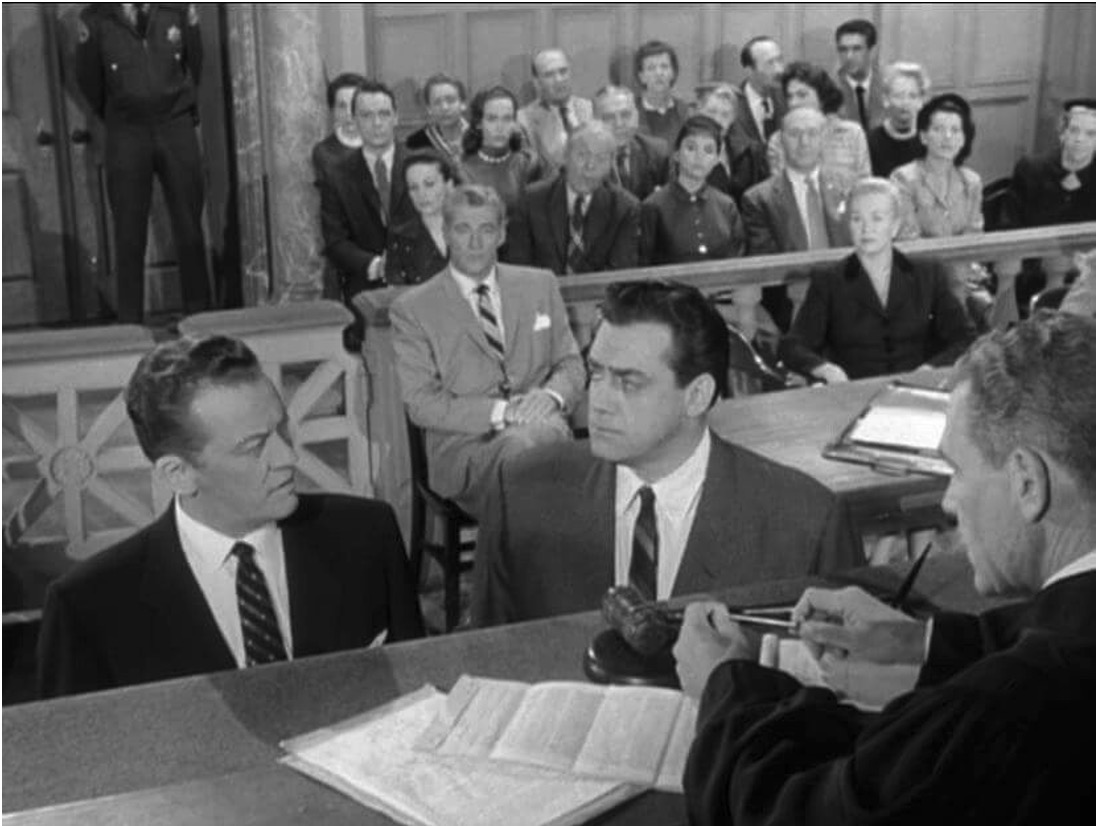
Television has given many people the impression that criminal cases unfold slowly. In reality, important developments can occur very quickly. Discussions about possible resolutions sometimes begin much earlier than people expect.
By the time a defendant feels ready to focus on the case, some of the most important stages may already be underway.
That’s why experienced defense attorneys place so much emphasis on timing. The earlier they become involved, the more opportunities they have to evaluate the facts, preserve evidence, and prepare a strategy based on the circumstances of the case.
Conclusion
Many people believe the most important part of a criminal case happens in a courtroom. In reality, some of the most influential decisions are made long before a trial date is ever scheduled.
Time affects evidence, witnesses, legal strategy, and the options available to the defense. The longer a person waits to address a criminal allegation, the fewer opportunities may remain. Taking a case seriously from the beginning is not about expecting the worst. It is about giving yourself the best chance to respond effectively as the case moves forward.